

क्या आपकी घटना प्रतिक्रिया योजना में सर्वर के अनप्लग होने के बाद क्या होता है, इसका प्रावधान है?
अपने CISO से पूछें कि डीकमीशनिंग की ज़िम्मेदारी किसकी है। फिर अपने IT निदेशक से पूछें। फिर खरीद विभाग से पूछें।
आपको तीन अलग-अलग जवाब मिलेंगे—और यही समस्या है।
आईटीएडी आईटी परिसंपत्ति प्रबंधन, सूचना सुरक्षा और विक्रेता शासन के अंतर्संबंध में स्थित है। इसके लिए तीनों की गहन जांच आवश्यक है। व्यवहार में, आमतौर पर इस पर किसी का भी पूरा ध्यान नहीं जाता। आईटी विभाग उपकरण को नेटवर्क से हटाते ही उसे निष्क्रिय मान लेता है। सुरक्षा विभाग यह मान लेता है कि आईटी विभाग भौतिक निपटान का प्रबंधन कर रहा है। खरीद विभाग मूल्य, रसद और एक प्रमाणन चेकलिस्ट के आधार पर विक्रेता संबंध का प्रबंधन करता है, जिस पर किसी ने भी बारीकी से ध्यान नहीं दिया है।
इसका नतीजा यह होता है कि सावधानीपूर्वक तैयार किए गए सुरक्षा कार्यक्रम के अंत में एक खामी रह जाती है। आपकी साइबर सुरक्षा योजना के हर चरण में स्वामित्व, दस्तावेजी मानक, बजट आवंटन और विक्रेता की जांच-पड़ताल तय होती है। डेटा सेंटर को बंद करने की तारीख तय होती है और विनाश का प्रमाण पत्र भी मिलता है।
उन ड्राइव पर मौजूद डेटा को इससे कोई फर्क नहीं पड़ता।
जब सुरक्षा योजना सर्वर रूम के दरवाजे पर ही समाप्त हो जाती है
हार्डवेयर के बंद होने से खतरे का दायरा कम नहीं होता, बल्कि उसका स्वरूप बदल जाता है। बंद हो चुकी ड्राइव में भी उत्पादन डेटा मौजूद रहता है। बंद किए गए सर्वरों में भी वर्षों से संचित संवेदनशील जानकारी रहती है। खतरा उपकरण के साथ खत्म नहीं होता, बल्कि डेटा के साथ-साथ चलता है, उसे छूने वाले हर व्यक्ति के माध्यम से, जब तक कि उसकी पुष्टि न हो जाए कि वह नष्ट हो गया है।
अधिकांश आईटीएडी विक्रेता मूल्यांकन इस बात को नहीं दर्शाते। वे रसद क्षमता, मूल्य निर्धारण और प्रमाणन बैज पर ध्यान केंद्रित करते हैं - ऐसे लोगों द्वारा मूल्यांकन किया जाता है जिनकी प्राथमिक चिंता उपकरणों को समय पर चालू करना है। संगठन में अन्य सभी विक्रेता संबंधों को नियंत्रित करने वाली सुरक्षा आवश्यकताएं अक्सर तब तक बंद करने की चर्चा में शामिल नहीं होतीं जब तक कि कुछ गड़बड़ न हो जाए।
इसका नतीजा यह होता है कि अधिकांश संगठनों को तब तक इस कमी का पता नहीं चलता जब तक वे इसे ढूंढ नहीं रहे होते। सर्वर रूम के एक तरफ मजबूत सुरक्षा व्यवस्था होती है, तो दूसरी तरफ सुविधाओं के प्रबंधन के लिए किसी विक्रेता के साथ संबंध होता है।
इस श्रोता वर्ग के लिए "प्रमाणित" का वास्तव में क्या अर्थ है?
प्रमाणन सूचियाँ एक प्रारंभिक बिंदु हैं, अंतिम समाधान नहीं। R2, e-Stewards और NAID AAA सार्थक प्रमाण पत्र हैं - ये जिम्मेदार पुनर्चक्रण और डेटा नष्ट करने की प्रक्रिया के लिए बुनियादी मानक स्थापित करते हैं। लेकिन इनसे यह साबित नहीं होता कि कोई विक्रेता औपचारिक सूचना सुरक्षा प्रबंधन प्रणाली के अंतर्गत कार्य करता है या नहीं।
यह बिल्कुल अलग सवाल है। और सुरक्षा और अनुपालन से जुड़े हितधारकों के लिए, यह कहीं अधिक महत्वपूर्ण सवाल है।
ISO 27001 कोई साधारण प्रमाणन नहीं है। यह सूचना सुरक्षा प्रबंधन प्रमाणन है — वही मानक जिसके अंतर्गत आपकी टीमें पहले से ही काम कर रही हैं या आंतरिक रूप से ऑडिट कर रही हैं। इसे प्राप्त करने के लिए दस्तावेजित नीतियां, पहुंच नियंत्रण, जोखिम मूल्यांकन, घटना प्रतिक्रिया प्रक्रियाएं और स्वतंत्र तृतीय-पक्ष ऑडिट आवश्यक हैं। इसके लिए यह साबित करना आवश्यक है कि सूचना सुरक्षा संगठन के संचालन में अंतर्निहित है, न कि किसी एक प्रक्रिया पर चुनिंदा रूप से लागू की गई है।
दूसरे शब्दों में, यह वह मानक है जो तब लागू होता है जब आप किसी सेवा को भंग करने को रसद संबंधी कार्य के बजाय सुरक्षा कार्य के रूप में मानते हैं।
लॉजिस्टिक्स कंपनियां ISO 27001 प्रमाणन क्यों नहीं प्राप्त कर सकतीं — और यह क्यों मायने रखता है
आईटीएडी के अधिकांश विक्रेता लॉजिस्टिक्स और ब्रोकरेज व्यवसायों के रूप में काम करते हैं। वे उपकरण एकत्र करते हैं, परिवहन का समन्वय करते हैं और परिसंपत्तियों को नष्ट करने और सामग्री पुनर्प्राप्ति के लिए तृतीय-पक्ष प्रोसेसरों तक पहुंचाते हैं। यह एक वैध मॉडल है - उद्योग का अधिकांश हिस्सा इसी तरह काम करता है।
लेकिन किसी लॉजिस्टिक्स ऑपरेशन के पास प्रमाणन के लिए कोई सूचना सुरक्षा प्रबंधन प्रणाली नहीं होती। कोई संगठनात्मक आईएसएमएस नहीं होता। कोई उद्यम-व्यापी जोखिम मूल्यांकन ढांचा नहीं होता। डेटा युक्त संपत्तियों के प्रबंधन के हर चरण में उन्हें नियंत्रित करने वाली कोई पहुंच नियंत्रण नीतियां नहीं होतीं। आईएसओ 27001 के लिए यह सब आवश्यक है — जिसे वार्षिक स्वतंत्र ऑडिट के माध्यम से बनाए रखना होता है।

टेक्सास में किसी महिला के स्वामित्व वाली ई-कचरा संसाधक कंपनी के पास एकमात्र ISO 27001 प्रमाणन है। यह प्रमाणन इसलिए संभव हुआ क्योंकि हमने वह भौतिक ढांचा, दस्तावेजी प्रक्रियाएं और संगठनात्मक ढांचा तैयार किया जो वास्तव में इस प्रमाणन के लिए आवश्यक है। विक्रेता सुरक्षा समीक्षा करने वाली अनुपालन टीमों के लिए, यही वह प्रश्न है जो एक सुरक्षा-प्रबंधित भागीदार को एक सक्षम पिकअप सेवा से अलग करता है।
सेवामुक्ति बैठक में अभिरक्षा श्रृंखला की समस्या पर कोई चर्चा नहीं करता।
अगली परियोजना शुरू होने से पहले, इन सवालों को स्पष्ट रूप से पूछना उचित होगा:
पिकअप के बाद, आपकी ड्राइव भौतिक रूप से कहाँ जाती हैं? प्रत्येक चरण में उन्हें कौन संभालता है? कौन सी सुविधा वास्तव में उन्हें नष्ट करती है? क्या वे सुविधाएं आपके विक्रेता के अनुबंध में वादा किए गए समान सुरक्षा मानकों के तहत काम कर रही हैं? और क्या इनमें से किसी भी बात को ऐसे दस्तावेज़ों से सत्यापित किया जा सकता है जो ऑडिट में मान्य हों?
मानक आईटीएडी मॉडल में—यहां तक कि प्रमाणित और प्रतिष्ठित विक्रेताओं के बीच भी—इनमें से अधिकांश प्रश्नों के उत्तर में तृतीय पक्ष शामिल होते हैं। उपकरण एकत्र किए जाते हैं और प्रसंस्करण के लिए आगे भेजे जाते हैं। प्रत्येक हस्तांतरण एक ऐसा बिंदु है जहां आपकी अभिरक्षा श्रृंखला में एक अंतराल होता है और आपकी प्रत्यक्ष दृश्यता समाप्त हो जाती है।
किसी सामान्य कॉर्पोरेट आईटी अपग्रेड के लिए, यह समझौता स्वीकार्य हो सकता है। लेकिन डेटा सेंटर को बंद करने की प्रक्रिया में—जिसमें उच्च-घनत्व भंडारण, उद्यम-स्तरीय उपकरण और सैकड़ों-हजारों उपकरणों में वर्षों से संचित संवेदनशील डेटा शामिल होता है—यह स्वीकार्य नहीं है। अनुपालन योग्य तरीके से डेटा बंद करने के लिए आवश्यक दस्तावेज़ीकरण के लिए हर चरण में निरंतर, सत्यापन योग्य और ऑडिट के लिए तैयार कस्टडी श्रृंखला की आवश्यकता होती है। एक ऐसा विनाश प्रमाणपत्र जो यह दस्तावेज़ करता है कि डाउनस्ट्रीम प्रोसेसर ने आपके विक्रेता को क्या रिपोर्ट किया, वह उस प्रमाणपत्र से भिन्न होता है जो यह दस्तावेज़ करता है कि एक ही छत के नीचे, एक ही दस्तावेजित सुरक्षा ढांचे के तहत, पूरी तरह से उस विक्रेता द्वारा नियंत्रित प्रक्रिया के अंतर्गत क्या हुआ, जिसका नाम आपके अनुबंध में है।
बड़े पैमाने पर सुरक्षित डेटा नष्ट करने के लिए वास्तव में क्या आवश्यक है
किसी उपकरण को सेवामुक्त करने के स्तर पर, डेटा नष्ट करना एक प्रक्रिया है, कोई घटना नहीं। उपकरण को हटाने के लिए तैयार किए जाने के क्षण से ही इसे परिसंपत्ति स्तर पर क्रमबद्ध और प्रलेखित किया जाना चाहिए।
प्रत्येक उपकरण के लिए एक सुरक्षा रिकॉर्ड की श्रृंखला आवश्यक है जो आपकी सुविधा केंद्र से शुरू होती है। प्रत्येक ड्राइव के लिए क्रमबद्ध दस्तावेज़ीकरण की आवश्यकता होती है जो भौतिक विनाश को एक विशिष्ट परिसंपत्ति रिकॉर्ड से जोड़ता है। बीच के प्रत्येक चरण को एक ही संगठन द्वारा, एक ही सुरक्षा ढांचे के तहत नियंत्रित किया जाना चाहिए, और उपकरण प्राप्त करने से लेकर अंतिम निपटान तक जवाबदेही में कोई कमी नहीं होनी चाहिए।
जब इस प्रक्रिया में कई विक्रेता और कई सुविधाएं शामिल होती हैं, तो परियोजना के समापन पर प्राप्त दस्तावेज़ रिपोर्टों की एक श्रृंखला को दर्शाते हैं, न कि अभिरक्षा श्रृंखला को। किसी नियामक समीक्षा या उल्लंघन जांच में, यह अंतर प्रमाणपत्र से कहीं अधिक महत्वपूर्ण होता है।
जब किसी उपकरण को सेवामुक्त करने की प्रक्रिया को सुरक्षा कार्य के रूप में देखा जाता है तो उसका स्वरूप कैसा होता है?
CompuCycle एक अलग आधार पर बनाया गया था: कि जो संगठन अपने सेवानिवृत्त बुनियादी ढांचे के लिए हम पर भरोसा करते हैं, वे परिसंपत्ति जीवनचक्र के अंत में उसी स्तर की सुरक्षा व्यवस्था के हकदार हैं, जैसा कि उन्होंने शुरुआत में लागू किया था।
यह मूल सिद्धांत हमारे कामकाज में झलकता है।
कोई डाउनस्ट्रीम विक्रेता नहीं। डेटा नष्ट करना, दस्तावेज़ों को छोटे-छोटे टुकड़ों में काटना, ई-प्लास्टिक प्रसंस्करण, सामग्री पुनर्प्राप्ति - सब कुछ हमारे यहाँ होता है। एकल 130,000 वर्ग फुट की सुविधा ह्यूस्टन में। आपकी संपत्तियां किसी तीसरे पक्ष के प्रोसेसर को नहीं सौंपी जातीं। वे कई सुविधाओं या कई हाथों से होकर नहीं गुजरतीं। संग्रहण से लेकर अंतिम निपटान तक, अभिरक्षा श्रृंखला में केवल एक ही कड़ी होती है। यह कोई ऐसा विशिष्ट लाभ नहीं है जिसका हम प्रचार करते हैं - यह एक संरचनात्मक निर्णय है जो जवाबदेही के एक वास्तविक स्तर को संभव बनाता है। इसका यह भी अर्थ है कि जब सेवानिवृत्त संपत्तियों में अभी भी वसूली योग्य मूल्य होता है, तो वह मूल्य प्रक्रिया में ही बना रहता है - आपके संगठन को वापस मिलता है, न कि किसी ऐसे विक्रेता द्वारा अवशोषित किया जाता है जिसकी आपने कभी जांच-पड़ताल नहीं की।
सामान उठाते समय से ही क्रमबद्ध संपत्ति दस्तावेज उपलब्ध होना चाहिए। आपके परिसर से निकलने से पहले प्रत्येक उपकरण को टैग किया जाता है, उसकी सूची बनाई जाती है और उसे दस्तावेजी अभिरक्षा श्रृंखला में दर्ज किया जाता है। प्रत्येक ड्राइव को एक नष्ट करने के रिकॉर्ड से जोड़ा जाता है जो एक विशिष्ट परिसंपत्ति, एक विशिष्ट प्रक्रिया और एक विशिष्ट सत्यापित परिणाम से संबंधित होता है। आपकी अनुपालन टीम को जिस ऑडिट ट्रेल की आवश्यकता होती है, वह घटना के बाद तैयार नहीं किया जाता है। इसे वास्तविक समय में, उस टीम द्वारा बनाया जाता है जिसने यह काम किया है।
आईएसओ 27001 - यह एक सुरक्षा मानक है, न कि केवल पुनर्चक्रण का प्रमाण पत्र। हमारे सर्टिफिकेशन का मतलब है कि हमारी सूचना सुरक्षा प्रबंधन प्रणाली का लगातार और स्वतंत्र रूप से ऑडिट किया जाता है। आपकी डेटा हैंडलिंग को नियंत्रित करने वाली नीतियां, एक्सेस कंट्रोल और प्रक्रियाएं उसी मानक को पूरा करती हैं जिसके आधार पर आपके अपने सुरक्षा कार्यक्रम का मूल्यांकन किया जाता है। जब आपका CISO या कंप्लायंस टीम यह पूछे कि क्या आपका डीकमीशनिंग वेंडर एंटरप्राइज सुरक्षा मानक के अनुसार काम करता है, तो इसका जवाब दस्तावेजित और ऑडिट करने योग्य होता है।
परिसंपत्ति मूल्य की वसूली - प्राप्त की गई, न कि जब्त की गई। मानक डीकमीशनिंग प्रक्रिया में पुराने उपकरणों को निपटान की समस्या के रूप में देखा जाता है। वहीं, इन-हाउस नवीनीकरण क्षमता वाले एकल-सुविधा मॉडल में इसे पुनर्प्राप्ति के अवसर के रूप में देखा जाता है। जिन हार्डवेयर में अभी भी कार्यक्षमता है, उनका मूल्यांकन किया जाता है, उन्हें NIST 800-88 मानकों के अनुसार डेटा मिटाया जाता है और फिर से बेचा जाता है - जिससे आपकी संस्था को राजस्व प्राप्त होता है, न कि किसी ऐसे विक्रेता को जिसकी आपने कभी जांच-पड़ताल नहीं की। बड़े पैमाने पर डीकमीशनिंग के मामले में, यह पुनर्प्राप्ति परियोजना लागत को काफी हद तक कम कर सकती है। अधिकांश ITAD विक्रेता यह सुविधा प्रदान नहीं कर सकते क्योंकि वे परिसंपत्तियों के संग्रह के बाद उनके निपटान को नियंत्रित नहीं करते हैं। CompuCycle यह सुविधा प्रदान करता है।
तीस वर्षों का परिचालन इतिहास। महत्वपूर्ण संबंधों के लिए विक्रेता जोखिम मूल्यांकन में स्थिरता और दीर्घायु को शामिल करना उचित कारण से महत्वपूर्ण है। एक ही सुविधा में तीन दशकों से निरंतर संचालन कर रहे और विनियमित उद्योगों में स्थापित ग्राहक आधार वाले भागीदार का जोखिम प्रोफाइल एक नए लॉजिस्टिक्स ऑपरेशन से काफी अलग होता है।
डेटा नष्ट कर दिया गया एनआईएसटी 800-88 और एनएआईडी एएए मानक। ये वे ढाँचे हैं जिनका संदर्भ नियामक, लेखा परीक्षक और कानूनी टीमें इस बात का मूल्यांकन करते समय लेती हैं कि क्या डेटा उल्लंघन को रोका जा सकता था। NAID AAA प्रमाणन स्वतंत्र रूप से यह सत्यापित करता है कि इन प्रक्रियाओं का वास्तव में पालन किया जा रहा है, न कि केवल दस्तावेजीकरण किया जा रहा है। विनियमित उद्योगों में कार्यरत संगठनों के लिए, यह संयोजन महत्वपूर्ण है: NIST 800-88 यह स्थापित करता है कि क्या किया गया था, जबकि NAID AAA यह स्थापित करता है कि आपके विक्रेता के बाहर किसी व्यक्ति ने इसकी पुष्टि की है।
कंप्यूसाइकिल देश के उन चुनिंदा आईटीएडी प्रदाताओं में से एक है जिन्होंने इस स्तर की निगरानी, पारदर्शिता और दस्तावेजी जवाबदेही को एक ही ऑपरेशन में एकीकृत किया है - क्योंकि जिन उद्योगों को हम सेवा प्रदान करते हैं वे इसके विकल्प को वहन नहीं कर सकते।
स्वास्थ्य सेवा, वित्तीय सेवाएँ, ऊर्जा और सरकारी ठेकेदारी जैसे क्षेत्र डेटा सुरक्षा को सर्वोत्तम प्रक्रिया के रूप में नहीं मानते। अभिरक्षा श्रृंखला में कोई भी चूक मात्र असुविधा नहीं है, बल्कि यह एक दायित्व का मामला है। हमने बुनियादी ढांचा तैयार किया, प्रमाणपत्र प्राप्त किए और ऑडिट को सुचारू रूप से संचालित किया ताकि हमारे ग्राहकों के पास हर चरण में दस्तावेजी प्रमाण हो, न कि विक्रेता द्वारा बाद में दिए गए आश्वासन।
आपकी साइबर सुरक्षा योजना को अंतिम रूप देना
सवाल यह नहीं है कि क्या डीकमीशनिंग आपके साइबर सुरक्षा कार्यक्रम का हिस्सा होना चाहिए। यह होना चाहिए—यह हमेशा से रहा है। सवाल यह है कि क्या उस कार्यक्रम के अंतिम चरण का प्रबंधन करने वाले विक्रेता को उसी मानक पर परखा जा रहा है जिस पर उससे पहले के सभी चरणों को परखा गया था।
अधिकांश संगठन जब गहराई से जांच करते हैं, तो पाते हैं कि इसका उत्तर नहीं है। ऐसा इसलिए नहीं कि किसी ने गलत निर्णय लिया, बल्कि इसलिए कि किसी से भी वह निर्णय लेने के लिए कहा ही नहीं गया था। डीकमीशनिंग को एक सेवा के रूप में प्रबंधित किया गया था। एक पिकअप। एक डिस्पोजल। और डेटा लाइफसाइकिल के हर दूसरे चरण को नियंत्रित करने वाला सुरक्षा कार्यक्रम सर्वर रूम के दरवाजे पर ही समाप्त हो गया।
हमने आईटी, सुरक्षा और अनुपालन टीमों को परियोजना शुरू होने से पहले ही इस कमी को दूर करने में मदद करने के लिए एक संरचित डीकमीशनिंग सुरक्षा ऑडिट तैयार किया है - न कि बाद में। इसमें कस्टडी की श्रृंखला, विक्रेता योग्यता, प्रमाणन की गहराई, दस्तावेज़ीकरण मानक और नियामक जोखिम के उन बिंदुओं पर विस्तार से चर्चा की गई है जिन पर अधिकांश डीकमीशनिंग योजना संबंधी चर्चाओं में कभी विचार नहीं किया जाता।
यदि आपकी संस्था में भविष्य में किसी सिस्टम को बंद करने की योजना है — या यदि आप निश्चित नहीं हैं कि आपका वर्तमान ITAD विक्रेता आपके सुरक्षा कार्यक्रम की आवश्यकताओं को पूरा करता है या नहीं — तो यह शुरुआत करने के लिए सही जगह है। और यदि आप यह समझना चाहते हैं कि यह ITAD के व्यापक जोखिम परिदृश्य में कैसे फिट बैठता है, तो "ITAD कोई पुनर्चक्रण निर्णय नहीं है" लेख को पहले पढ़ना उपयोगी होगा।
कंप्यूसाइकिल पिछले 30 वर्षों से अपने आईएसओ 27001 प्रमाणित ह्यूस्टन सुविधा केंद्र से सुरक्षित, पूर्णतः आंतरिक आईटी परिसंपत्ति निपटान सेवाएं प्रदान कर रहा है। टेक्सास में सूचना सुरक्षा प्रबंधन प्रमाणन प्राप्त करने वाली यह एकमात्र महिला स्वामित्व वाली ई-कचरा संसाधक कंपनी है। आईएसओ 27001 | एनएआईडी एएए | आर2वी3 | ई-स्टूवर्ड्स
हाल के लेख
टेक रीसाइकल: पुनर्चक्रित इलेक्ट्रॉनिक उपकरणों को छात्रों के लिए सशुल्क कार्यबल प्रशिक्षण में परिवर्तित करना
12 सप्ताह का सशुल्क कार्यक्रम · आयु 18-22 वर्ष · प्रमाणित, सुरक्षित पुनर्चक्रण और मूल्य वापसी · भाग लेने का कोई शुल्क नहीं। संक्रमणकालीन आयु के युवाओं के लिए, स्कूल के बाद के जीवन की तैयारी में अक्सर कक्षा शिक्षा से कहीं अधिक की आवश्यकता होती है। छात्रों को अवसरों की आवश्यकता है…
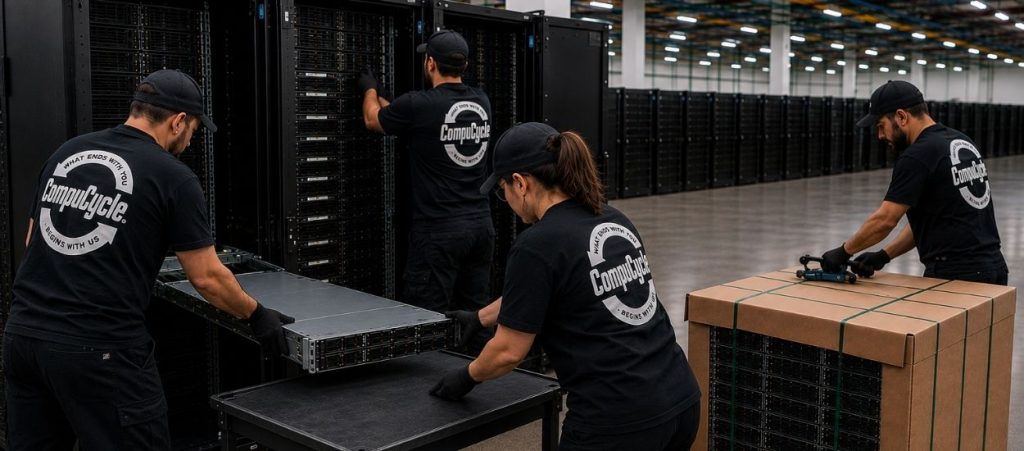
डेटा सेंटर को बंद करने या स्थानांतरित करने के दौरान क्या उम्मीद करें
योजना बनाने, साइट पर काम करने और सुरक्षित परिसंपत्ति ट्रैकिंग और परिवहन की चरण-दर-चरण प्रक्रिया। चाहे आप सुविधाओं का समेकन कर रहे हों, सह-स्थानिक वातावरण में स्थानांतरित हो रहे हों, बुनियादी ढांचे का उन्नयन कर रहे हों या पुराने सर्वर रूम को बंद कर रहे हों, एक सफल डेटा सेंटर परियोजना...
घरेलू ई-प्लास्टिक संकट जिसके बारे में कोई बात नहीं कर रहा है
कंपनियों में स्थिरता को लेकर नियामक दबाव कम हो गया है। लेकिन इसका मतलब यह नहीं कि हमें सही काम करना बंद कर देना चाहिए। एकल-उपयोग वाले बर्तनों की समस्या सिर्फ स्ट्रॉ से कहीं बड़ी है। हर जुलाई में, 190 देशों में 17 करोड़ से अधिक लोग...
आईटीएडी दस्तावेज़ीकरण जो वास्तव में ऑडिट में खरा उतरता है
विनाश प्रमाणपत्र न्यूनतम आवश्यकता है। ऑडिट के लिए तैयार दस्तावेज़ कैसा दिखता है, यहाँ बताया गया है। ITAD परियोजना के अंत में, अधिकांश संगठनों को विनाश प्रमाणपत्र प्राप्त होता है और वे उसे सुरक्षित रख लेते हैं। यदि कभी ऑडिट नहीं होता है...

टेक रीसाइकल: पुनर्चक्रित इलेक्ट्रॉनिक उपकरणों को छात्रों के लिए सशुल्क कार्यबल प्रशिक्षण में परिवर्तित करना
डेटा सेंटर को बंद करने या स्थानांतरित करने के दौरान क्या उम्मीद करें
